Protecting
marine resources
for the future of
our food supply
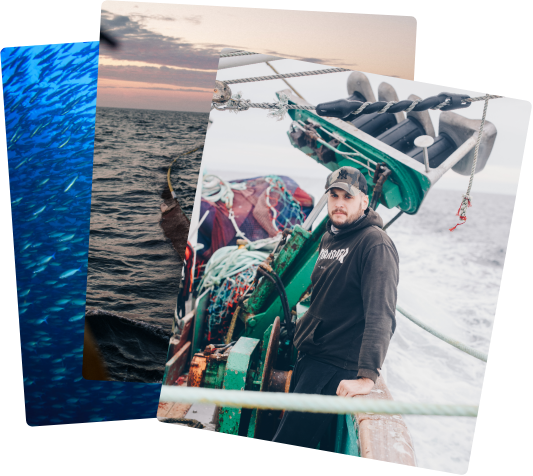
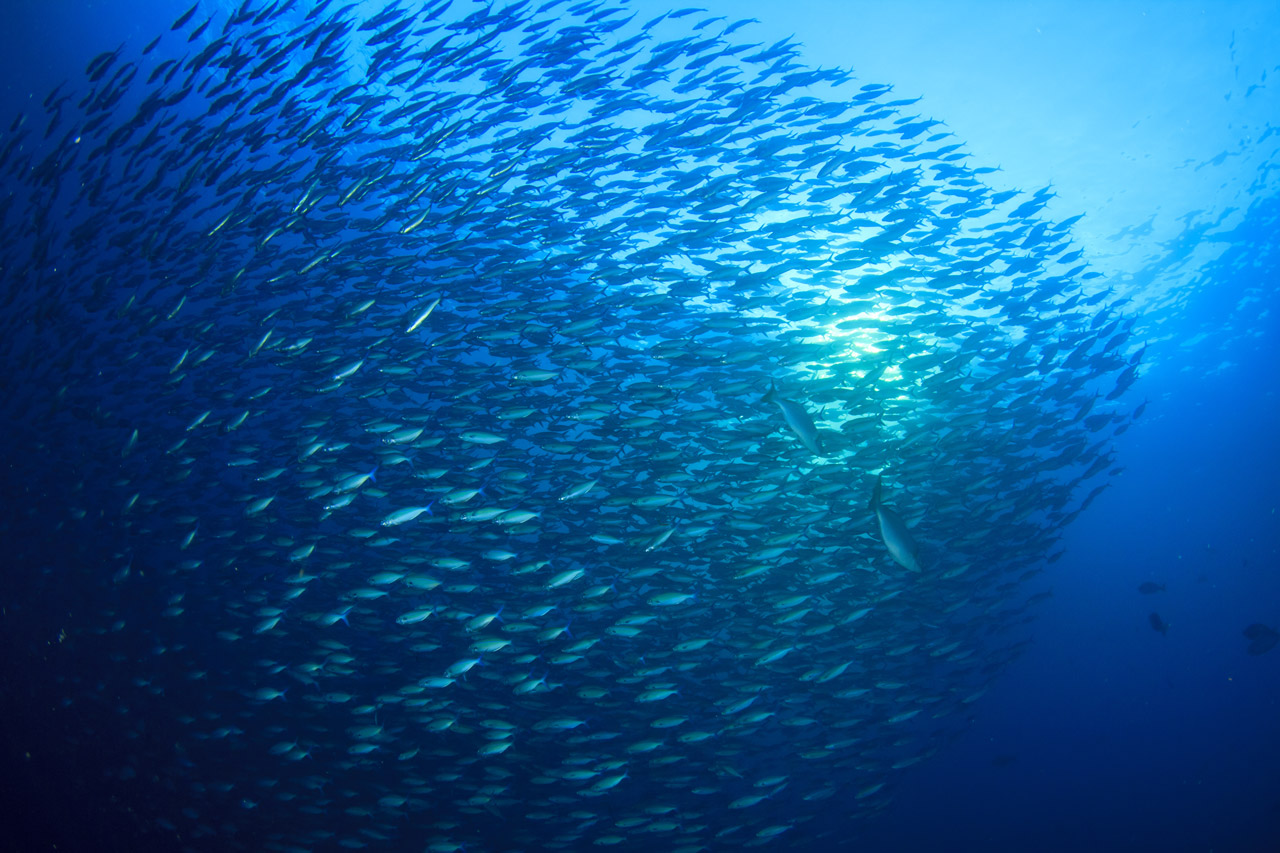
The ocean feeds 3 billion people worldwide, according to the Food and Agriculture Organization of the United Nations. However, 95% of marine species and 94% of marine habitats are in poor condition, according to the French Biodiversity Agency and marine biodiversity protection reports.
This alarming observation has led to an awakening for a Breton cannery, Maison CHANCERELLE, based in Douarnenez, regarding the importance of protecting marine resources to continue offering sustainable seafood products.
How? By implementing an approach that promotes responsible fishing, protects fishing professionals, and emphasizes product quality and transparency.
An approach that has been
structured over time

The pioneers of
sustainable fishing
sustainable fishing
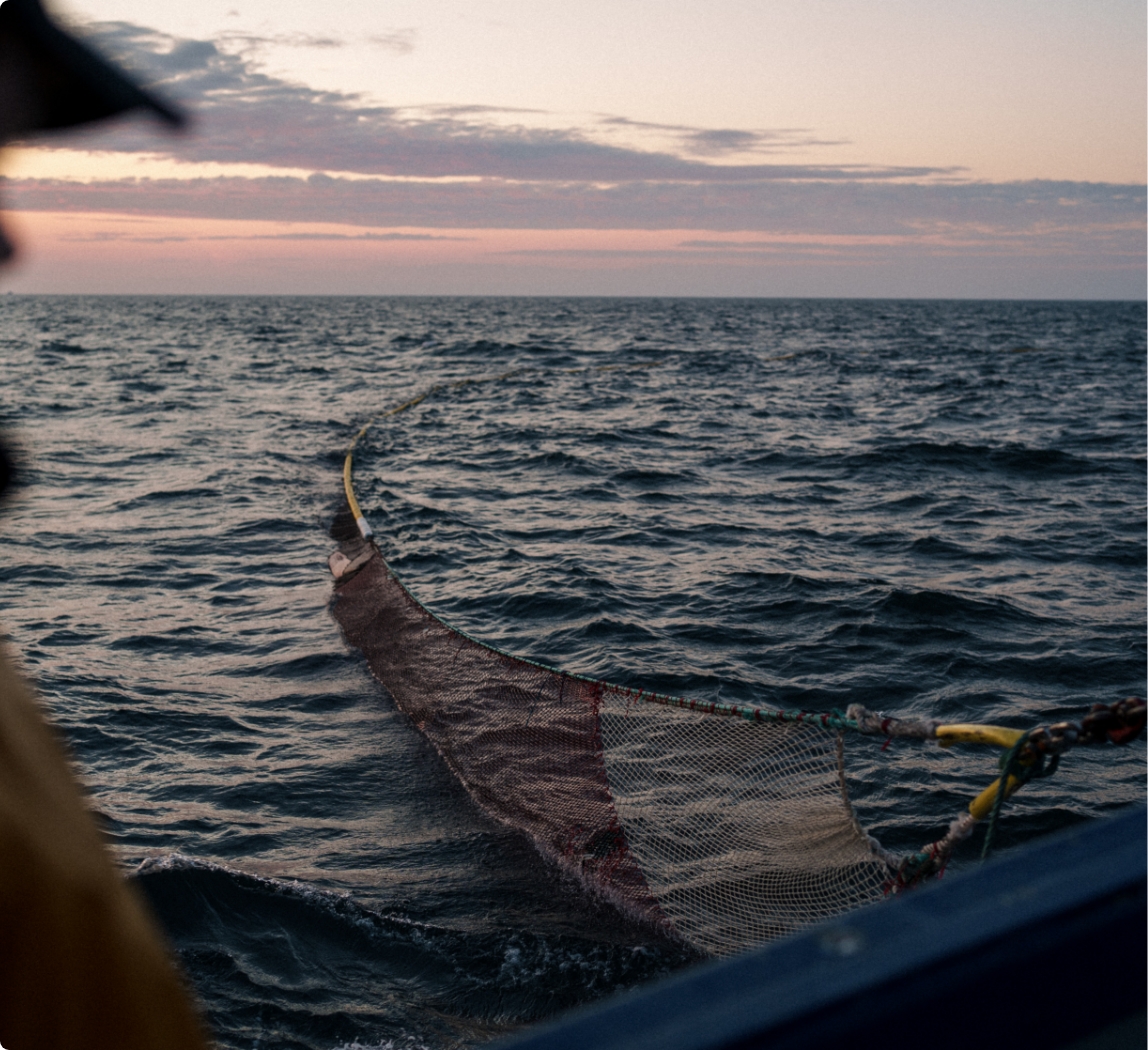
Prior to the culmination of this approach, as early as the 1990s, various organizations (NGOs, associations, etc.) had already taken up the subject and proposed solutions. This is notably the case for global organizations that encourage sustainable fishing practices and raise awareness of environmental impacts.
Since then, logos have been created to distinguish products from sustainable fisheries and allow consumers to make informed choices. Their goal is to guarantee to consumers that seafood has been caught sustainably, respecting fish stocks and marine habitats. It should be noted, however, that these labels focus exclusively on fishing, without providing guarantees on product quality or the respect of workers' rights in particular.
The Canners'
Collective Charter:
8 themes for a
sustainable commitment
Collective Charter:
8 themes for a
sustainable commitment
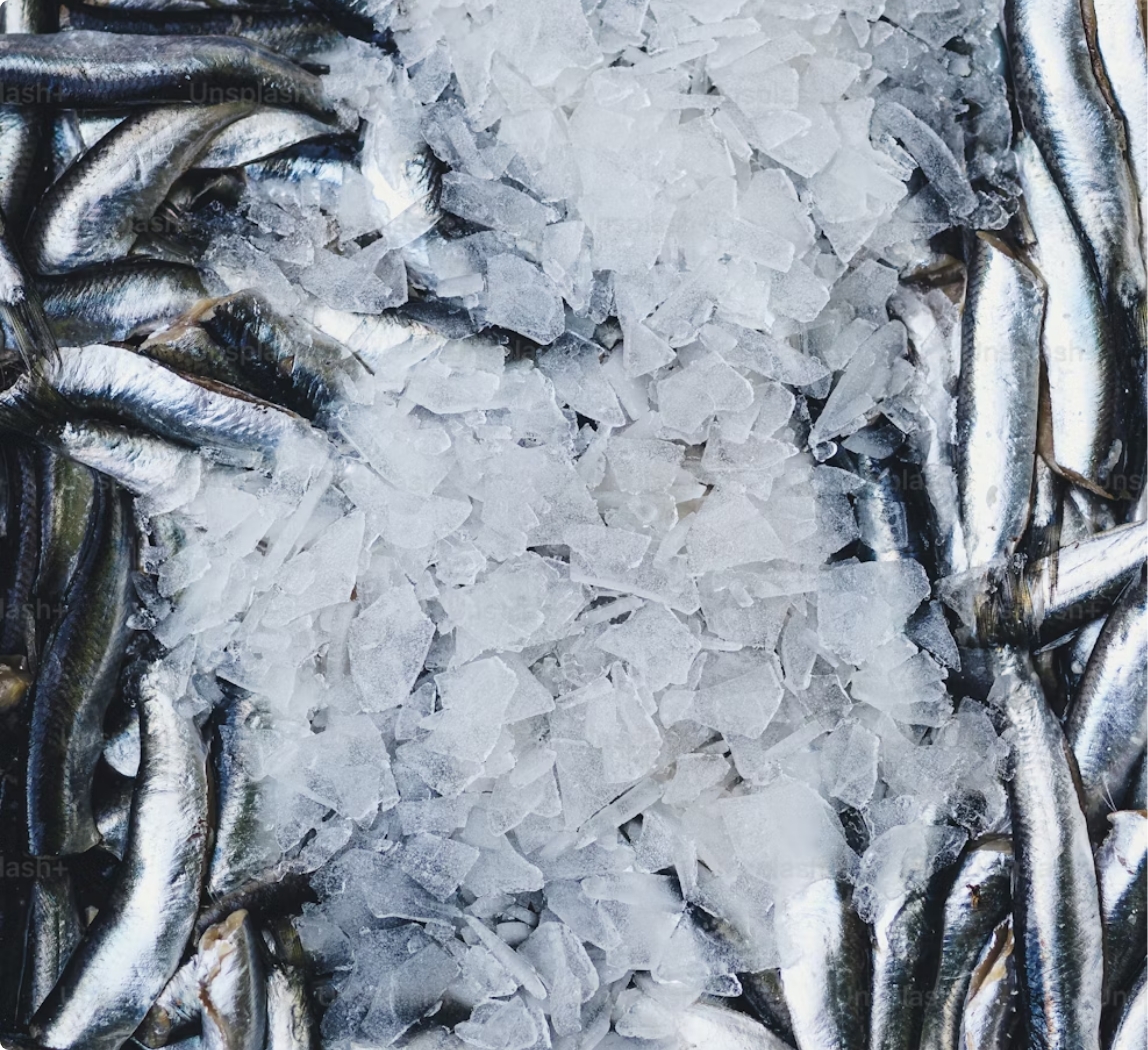
In 2014, the 14 players in the fish canning industry (companies belonging to the "Preserved Fish" group of the FIAC, Federation of Preserved Food Industries) met to define and draft the Collective Commitment Charter around 8 key themes. However, it is only a foundation for common commitment, which does not address the responsible fishing challenges of different species in detail.

2015: A responsible
purchasing policy
based on 4 pillars
purchasing policy
based on 4 pillars
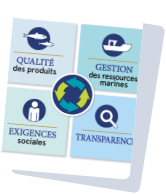
In 2015, Maison CHANCERELLE implemented a fish purchasing policy within its company structured around 4 pillars:

Social requirements

Management of marine resources

Product quality

Transparency
Concretely, regarding the resource preservation pillar, this involves, for example, taking into account and respecting scientific recommendations as well as those from NGOs concerning the state of fish stocks.
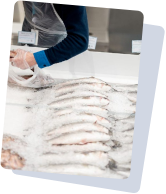
For product quality, it involves guaranteeing optimum freshness of the fish.
As for social requirements, the goal is to ensure good social conditions on board fishing vessels.
Finally, on the transparency pillar, Maison CHANCERELLE ensures the complete traceability of its products, from sea to plate.

Bureau Veritas,
guarantor of the rigor
of the approach
guarantor of the rigor
of the approach
Over the years, this fish purchasing policy has been structured and led to the definition of specifications initially broken down into 36 evaluation criteria, monitored since 2019 by an independent body specialized in certification, Bureau Veritas. This evaluation determines whether fish supplies are aligned with market standards on each of the 4 pillars.
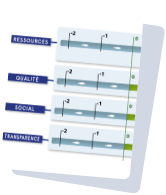
On a scale ranging from -2 to +2, the average score obtained must be greater than 0 (a score of 0 being equivalent to market standards) for the quality, social requirement, and transparency pillars, and greater than 0.5 for the resource management pillar for the raw material to be recognized as Responsible Fishing.
The adoption of a Responsible Fishing approach requires frequent audits within the company and partner sites by Bureau Veritas. The latter then proposes action programs and recommendations covering the 4 pillars.
Commit
with us
with us
We provide you with all the components of the approach, from the complete specifications to the details of the 46 rating criteria and labels.
An approach open to all market players
The specifications detailing the responsible fishing approach initiated by Maison CHANCERELLE are available for all to consult. Companies wishing to adopt it may do so provided they submit to regular audits by Bureau Veritas, the independent monitoring body, which verifies and attests to the compliance of practices.
46 criteria for an even more demanding approach
Formerly based on 36 rating criteria, the approach is now broken down into 46 criteria, covering the 4 pillars of responsible fishing: management of marine resources, product quality, social requirements, and transparency. The specifications are part of a continuous improvement process, fueled by regular exchanges with organizations (CITPPM, Ifremer, etc.) and NGOs such as WWF and Greenpeace.
Since 2020, an identifiable recognition on shelves
Since 2020, products monitored for responsible fishing have been recognizable on shelves thanks to a label placed on the front or back of the products. The mention "controlled by an independent body" guarantees the solidity and reliability of the approach.